
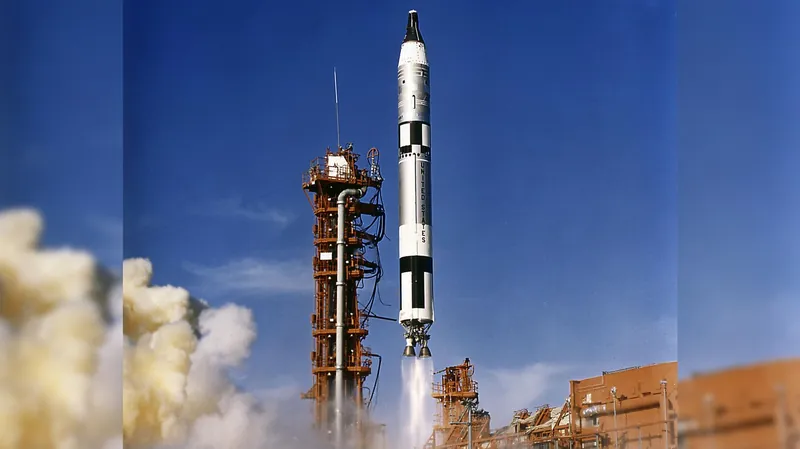
Gemini 12's final flight perfected the spacewalk techniques that would take humans to the moon
Original headline: On this day in space! Nov. 11, 1966: NASA launches Gemini 12 mission with astronaut icons Buzz Aldrin and Jim Lovell aboard — space.com
More in Defense and aerospace news
On November 11, 1966, NASA launched the Gemini 12 mission, the final flight of its two-person Gemini program, with astronauts Buzz Aldrin and Jim Lovell aboard. The mission focused on perfecting critical skills needed for the upcoming Apollo moon landings, particularly solving problems with spacewalks that had plagued earlier missions. Aldrin performed three successful spacewalks totaling over five hours, thanks to new training methods and spacecraft modifications.
Gemini 12's success established the fundamental techniques for working in space that would enable the Apollo program. Aldrin's underwater training in a neutral buoyancy pool became the standard method for preparing astronauts for spacewalks, a practice still used today by space agencies worldwide. The mission proved that humans could perform complex tasks in orbit, clearing the final technical hurdle before the moon landing era.
Read the original at space.com
Satirical commentary on real tech news, summarised with AI. Read the original source for the facts. How ZeroDaily works