
A tiny new AI brain teaches robots to feel physics, moving them beyond clumsy algorithms.
Original headline: PRISM helps robots move better by learning how forces and motion interact — techxplore.com
More in Robotics news
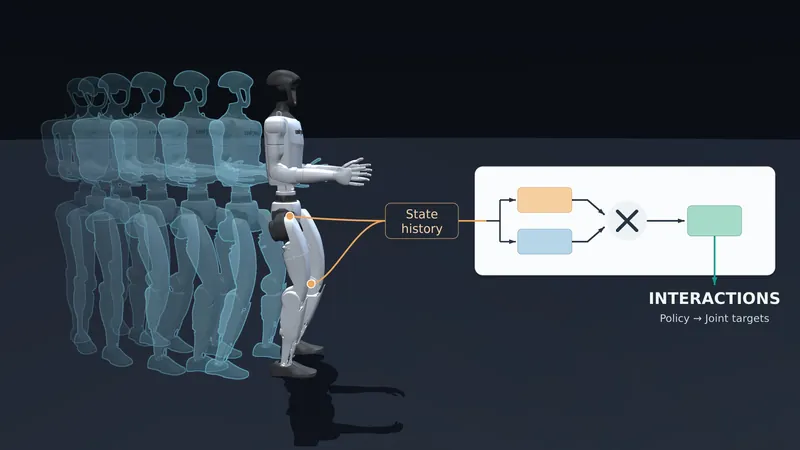
Researchers at the University of Michigan have developed a new AI component, called PRISM, specifically designed for teaching robots how to move. Unlike general-purpose neural networks used for tasks like image recognition, PRISM focuses on understanding the core physics of movement—how a robot’s actions (like pushing or lifting) change its physical state and the forces involved. This allows robots to learn more stable and reliable motion directly, rather than trying to adapt image-based algorithms.
The breakthrough means robots could become significantly more graceful and dexterous, better at handling delicate objects or navigating uneven terrain without the trial-and-error clumsiness of current systems. For engineers, it represents a shift toward building AI that understands physics first, promising more efficient, smaller, and safer robotic control systems. The takeaway: teaching robots the 'feel' of movement is a smarter path than just giving them bigger brains.
Read the original at techxplore.com
Satirical commentary on real tech news, summarised with AI. Read the original source for the facts. How ZeroDaily works