
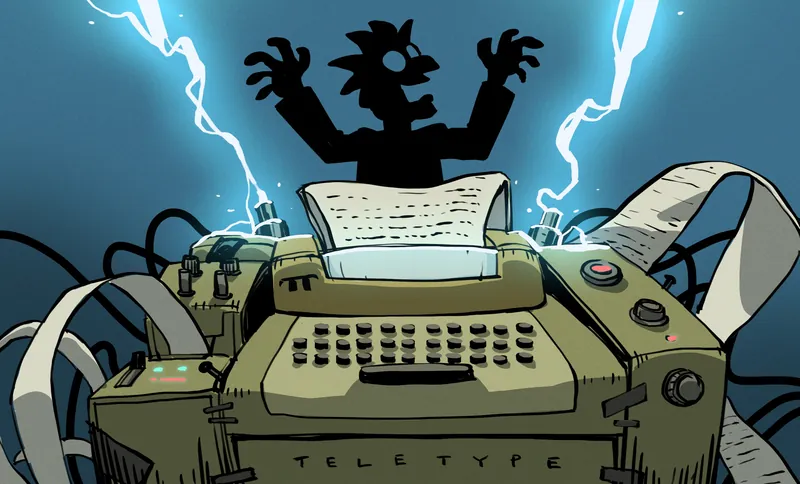
The Serial Port's Secret: How a 60-Year-Old Protocol Powers Your Gadgets
Original headline: Serial: The Port That Won’t Die — hackaday.com
More in Semiconductor and chip news
The article traces the improbable longevity of the serial port, from its origins in electromechanical teletype machines using 60 mA current loops to the standardized RS-232 protocol that emerged in the 1960s. While the physical 9- or 25-pin connectors have vanished from modern laptops, the underlying serial communication lives on as a foundational technology for interfacing with microcontrollers, industrial equipment, and embedded systems.
This persistence matters because serial communication provides a simple, robust, and universal language for electronics. Engineers today can still use concepts and tools—like terminal emulators and logic analyzers—that would be familiar to someone from 1975 to talk to modern devices. The core lesson is that good engineering often outlasts the hardware it arrived on, and the serial port's ghost continues to haunt our new hardware in the form of USB-to-serial adapters and debug headers.
Read the original at hackaday.com
Satirical commentary on real tech news, summarised with AI. Read the original source for the facts. How ZeroDaily works