
After 600 robot-pushing tests, a clever trick for teaching AI to plan
Original headline: After 600 experiments, here's what I discovered about JEPA world models — haddyalchaer.com
More in AI and machine learning news
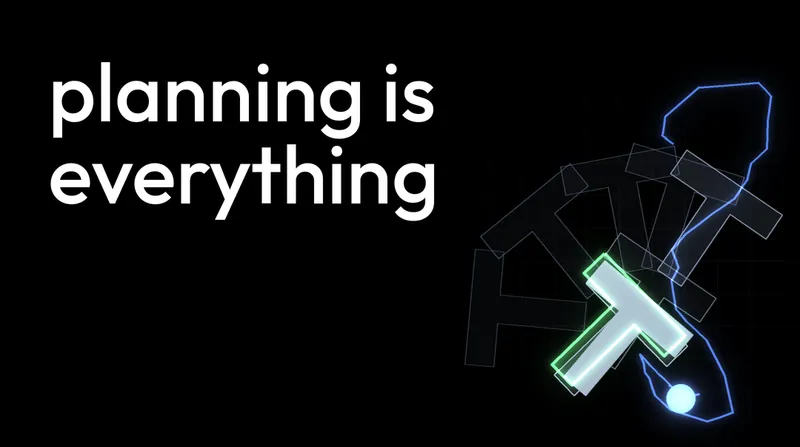
A researcher performed an exhaustive 600-experiment analysis of "Joint Embedding Predictive Architecture" (JEPA) world models, a type of AI that learns by predicting future states. The study focused on the classic robotics 'Push-T' task, where a simulated robot must push a block to a target. The standard test was found to be deceptively easy because its goals were already on paths the model had memorized. To truly stress the model's planning ability, the researcher created a harder benchmark where start and goal states came from different demonstrations, forcing the AI to bridge gaps it had never seen. The breakthrough came from exploiting the physics of the task: when the model's memory lacked states near a goal, it could take demonstration segments from elsewhere, transform them (by shifting, rotating, or mirroring them) to fit the new situation, and successfully plan through these transformed memories. This clever trick recovered performance from 32% back up to 85%, showing how filling memory gaps with transformed knowledge can significantly boost an AI's general planning ability in novel situations.
Read the original at haddyalchaer.com
Satirical commentary on real tech news, summarised with AI. Read the original source for the facts. How ZeroDaily works