
Scientists beat the 'dead layer' problem, opening path to ultra-low-energy AI chips
Original headline: A breakthrough in magnetism could make AI chips use dramatically less energy — sciencedaily.com
More in Robotics news
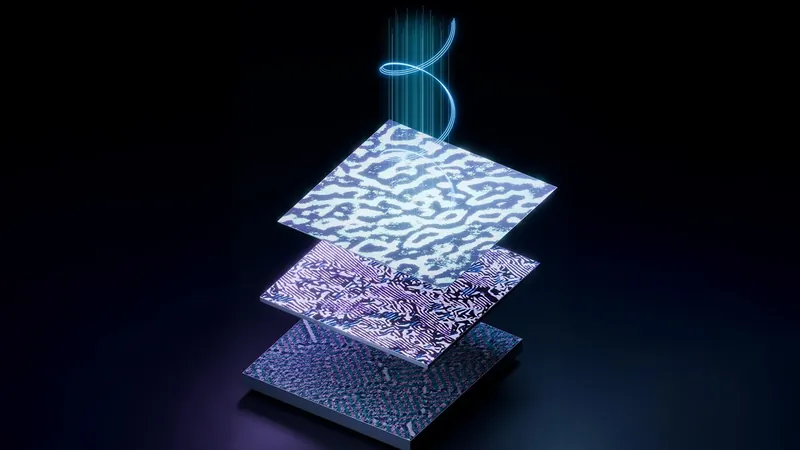
Researchers at Brown University have cracked a long-standing problem holding back energy-efficient computing. They've developed a technique to create ultra-thin films of a special material called bismuth ferrite—a 'multiferroic' that combines electrical and magnetic properties—without it losing its useful characteristics. This overcomes the 'dead layer' effect, where such materials become useless when made thin enough for modern chips.
This breakthrough could dramatically reduce the energy needed for computing, especially for power-hungry AI workloads. The material's unique property allows digital information (ones and zeros) to be stored and switched using tiny voltages, with the data also retrievable magnetically. This paves the way for future computer memory and logic chips that sip power instead of guzzling it, offering a tangible path to more sustainable and powerful electronics.
Read the original at sciencedaily.com
Satirical commentary on real tech news, summarised with AI. Read the original source for the facts. How ZeroDaily works